
Table of Contents
- What Property Cleanup Services Actually Include
- Yard Cleanup Services and Debris Removal Options
- Understanding Yard Debris Removal and Disposal
- Property Cleanup Cost: What to Expect and How to Compare
- Building a Reliable Cleaning Service Checklist
- Preparing Your Property for Professional Cleanup
- Safety, Disposal, and Environmental Practices
- Frequently Asked Questions
Last Updated: October 16, 2026
What Property Cleanup Services Actually Include
Property cleanup services cover the outdoor maintenance and restoration work that turns neglected or overgrown properties into functional, safe spaces.
True property cleanup includes debris removal, vegetation management, site grading, and disposal in compliance with local regulations.
Here's what typically falls under property cleanup services:
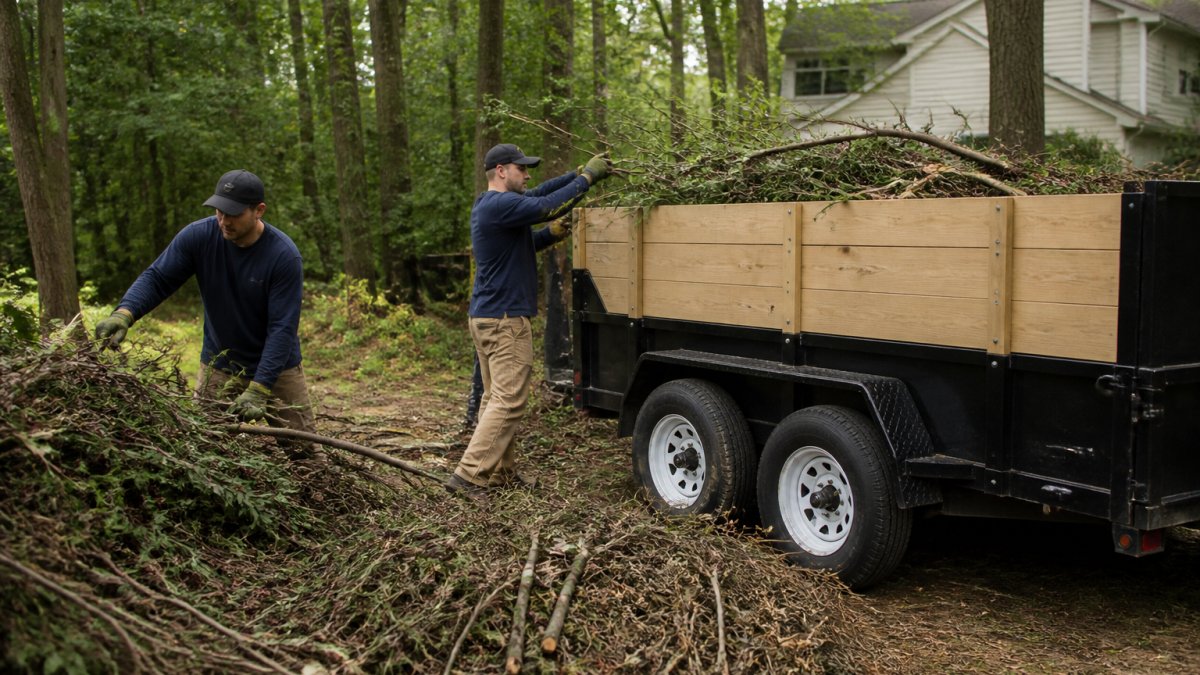
- Removal of fallen trees, branches, and storm debris
- Clearing overgrown brush, vines, and dead vegetation
- Post-renovation cleanup after tree work or construction
The key difference between a basic yard cleanup and a professional property cleanup is thoroughness and proper disposal.
Yard Cleanup Services and Debris Removal Options
Yard cleanup services handle outdoor debris and overgrown vegetation. The right approach depends on whether you're dealing with seasonal accumulation or years of neglect.
Seasonal Property Cleanups
Seasonal cleanups target when debris accumulates most: fall leaves and branches, spring winter damage, and summer storm debris.
A seasonal cleanup typically includes leaf removal, branch pickup, and vegetation trimming. Many homeowners schedule these twice yearly, spring and fall, to keep debris manageable.
Post-Tree Removal Cleanup
Tree removal leaves chips, stumps, and scattered debris that requires professional handling.
Post-tree removal cleanup includes stump removal or grinding, chip hauling, debris removal, and site grading. Without it, your yard becomes a hazard zone of exposed roots, uneven ground, and scattered wood debris.
Understanding Yard Debris Removal and Disposal
Debris disposal is where many DIY attempts fail. Hauling it yourself requires a truck, time, and knowledge of where local facilities accept different materials.
Most debris is organic (leaves, branches, grass clippings) or inorganic (wood, metal, construction materials).
Professional crews know local disposal requirements and environmental regulations: which materials can be recycled, landfilled, or need special handling.
Property Cleanup Cost: What to Expect and How to Compare
Most cleanup pages either dodge pricing or post a teaser number that turns out to be the minimum for the smallest job. What helps is understanding how a quote is built, what units crews price in, and how to compare estimates against the same scope.
How Cleanup Jobs Are Actually Priced
Professional cleanup is priced one of four ways, and knowing which model a provider uses tells you how the final invoice will behave:
- Flat project fee. Common for defined jobs like a single-lot cleanout or post-tree-removal haul-off. You get one number for a written scope. Best for budgeting, but only if the scope is itemized.
- Hourly plus disposal. Common for overgrown lots and unknown-condition properties. You pay crew hours plus dump fees. Fair when the debris volume is genuinely unknown, risky when it is not.
- Per-load or per-truckload. Common for junk and debris hauling. A 15-cubic-yard dumpster load is a typical unit; a full-size dump trailer is another. Ask what "a load" means in cubic yards before you compare.
The Cost Drivers That Move Your Number
Two properties of the same size can produce quotes that differ by multiples. The variables:
- Debris volume, not property size. A quarter-acre of leaves is a very different job from a quarter-acre of downed oak limbs. Volume and weight drive labor and dump fees.
- Material type. Clean brush and leaves are the cheapest to handle. Dirt, sod, concrete, and treated lumber are heavy and often priced by weight at the transfer station. Stumps and root balls are the heaviest per cubic foot.
- Access. A fenced backyard with a narrow gate and no alley access can double labor time versus a curb-side lot. Slopes, soft ground after rain, and overhead lines add handling time.
A Quote-Comparison Worksheet You Can Actually Use
Ask every provider for the same eight line items in writing. If a quote can't answer these, it isn't comparable.
- Scope of work, described by area (front, back, side, entire lot) and by task (cut, rake, haul, grind, grade).
- Volume estimate, in cubic yards or truckloads, so you can see whether two quotes assume the same amount of debris.
- Disposal plan, naming where material goes (yard-waste site, transfer station, recycling facility, donation outlet) and whether tipping fees are included.
- Equipment listed, so you know whether a stump grinder, chipper, or mini-skid is in the price or billed separately.
- Labor estimate, in crew size and hours, for hourly jobs.
- Exclusions, spelled out. Common exclusions are stump grinding, dirt hauling, fence removal, and anything requiring a permit.
- Timeline, with a start date and a completion window.
- Payment terms and change-order process, so you know what happens if the crew finds more debris than the walkthrough revealed.
Red Flags in a Cleanup Quote
- A phone-only quote with no site visit for anything larger than a single-truck haul.
- A price that is dramatically below the others with no explanation of what is excluded.
- No written scope, no disposal destination, and no mention of insurance.
What to Expect at the Walkthrough
A useful estimate starts with a walkthrough, not a phone call. Expect the estimator to walk the property with you, ask what you want kept, note access constraints, and flag hazards. You should leave with a written scope and price, or a clear statement of what still needs measuring. If a provider won't walk the property, treat the number as a placeholder.
Building a Reliable Cleaning Service Checklist
Choosing a reliable property cleanup service takes more than the lowest price. You need confidence the crew will show up, do quality work, and leave your property better than they found it.
Verifying Credentials and Insurance
A reliable cleanup service carries proper insurance and licensing. Ask for proof of:
- General liability insurance (protects you if someone is injured)
- Workers' compensation insurance (covers the crew)
- Business licensing or contractor registration
Insurance protects both you and the crew if equipment damage, injury, or property damage occurs. Uninsured contractors create liability exposure you don't need.
An accident on an uninsured crew's watch becomes your financial responsibility. Verify credentials before signing anything.
Evaluating Responsiveness and Communication
How a company responds to your initial inquiry matters. A reliable service:
- Returns calls or messages within 24 hours
- Answers questions directly without vague answers
- Provides clear timelines and scheduling options
Poor communication during booking predicts poor communication during the job. If they're hard to reach before you hire them, they'll be harder to reach after.
Zero Trace prioritizes clear communication throughout every project. We confirm appointments in advance, provide updates if conditions change, and maintain contact with homeowners from start to finish. Our on-time, every time service guarantee means you're not taking time off work and waiting for a no-show.
Assessing Track Record and Reviews
Reviews reveal patterns. Look for:
- Consistent praise for reliability and punctuality
- Specific mentions of thorough cleanup and debris removal
- Comments about crew professionalism and respect for the property
One positive review could be an outlier. Multiple reviews citing the same strengths, especially reliability and follow-through, indicate a pattern of quality service. Reviews mentioning "showed up on time" and "cleaned up thoroughly" are exactly what you want in a property cleanup service.
Preparing Your Property for Professional Cleanup
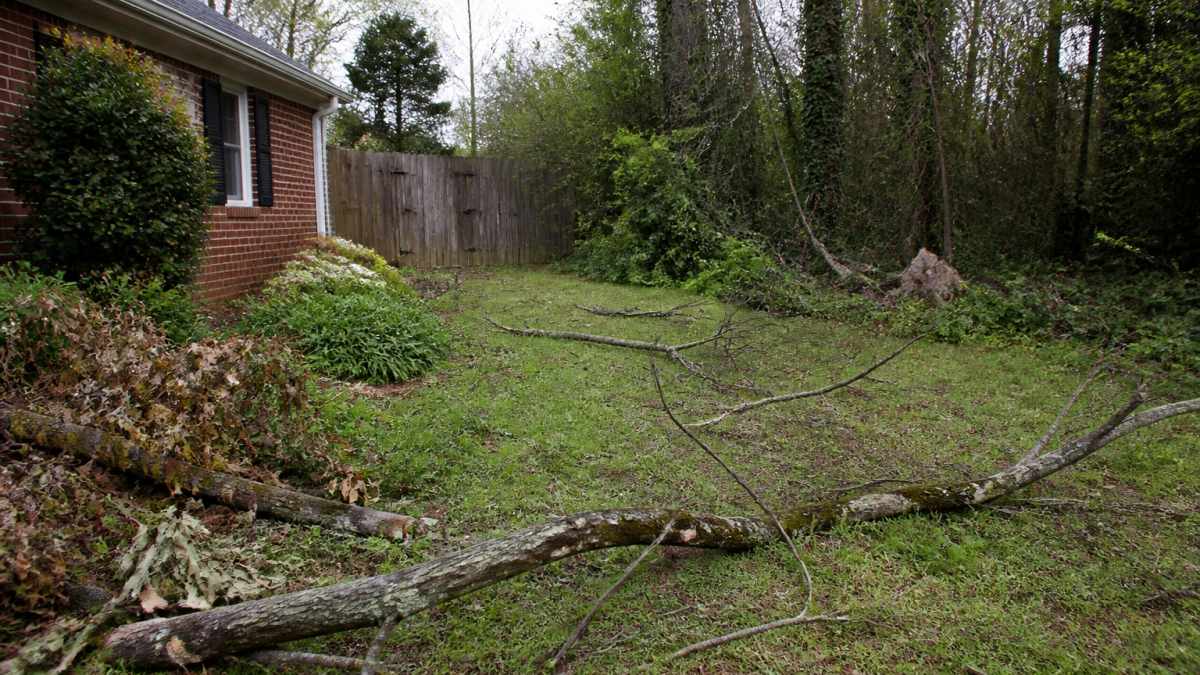
Preparation on your part makes the cleanup smoother and more efficient. You don't need to do the work itself, but a few preparatory steps help the crew work effectively.
Before the Crew Arrives
Clear items you want to keep, move vehicles if the crew needs driveway access, mark off-limits areas, and point out fragile plants or structures you want protected.
Communicate specific concerns: underground utilities, pet areas, or structures that must stay intact. The crew needs to know what matters so they can work around it.
What to Expect During and After Service
Professional crews work efficiently but thoroughly. Expect them to:
- Assess the property and confirm the scope of work
- Begin systematic debris removal and hauling
- Use appropriate equipment for the job size
After the crew leaves, your property should be transformed: debris gone, ground level and clean, overgrown vegetation cleared. A quality cleanup service leaves no scattered debris behind.
Safety, Disposal, and Environmental Practices
This is the section most cleanup pages skip, and it determines whether your job is legal, insurable, and safe. Here's what a responsible crew manages, and what to ask before work starts.
The Hazards That Make Cleanup a Professional Job
- Chainsaw and chipper work. Downed limbs under tension, widow-makers hung up in canopies, and root balls that spring when cut are the leading causes of serious injury in yard cleanup. This is why tree work and cleanup are often split between a certified arborist and a hauling crew.
- Heavy material handling. Wet leaves, saturated brush, and dirt are far heavier than they look. A cubic yard of wet yard waste can weigh several hundred pounds, which is why crews use tarps, wheeled carts, and skid steers rather than carrying by hand.
- Sharp and puncture hazards. Broken glass, nails in old lumber, wire, and metal edging hide in overgrown brush. Crews wear cut-resistant gloves and puncture-resistant boots for a reason.
Where Yard Debris Actually Goes
Disposal is where DIY attempts most often go wrong, because the rules are material-specific and enforced.
- Clean vegetative debris (leaves, grass clippings, brush, limbs) is typically accepted at municipal yard-waste and composting facilities, often at a lower tipping fee than mixed waste.
- Treated, painted, or composite lumber generally cannot go into a yard-waste or compost stream and must go to a construction-and-demolition or municipal solid waste stream.
- Concrete, brick, asphalt, and dirt are heavy and are usually handled separately, often by weight, at a C&D or inert-debris facility.
Donation and Recycling Before Disposal
A good cleanup plan diverts usable material before it becomes waste. Common diversions:
- Reusable building materials, fixtures, and furniture to local reuse outlets and habitat-restoration stores.
- Usable household goods to charity thrift operations, which often provide a donation receipt you can use for tax documentation.
- Clean wood chips from on-site chipping used as mulch rather than hauled away.
Ask your provider whether they divert, and ask for the destination. "We recycle when possible" is not an answer; a named facility is.
Environmental Practices That Matter on Your Property
- Erosion control. Bare soil after clearing erodes fast in heavy rain. Silt fencing, straw wattles, or a quick stabilization seed are standard on sloped lots.
- Stormwater protection. Debris, sediment, and lawn chemicals must not be washed into storm drains, which discharge to local waterways without treatment.
- Invasive species handling. If your lot has invasive vines or shrubs, removing them without spreading seed or root fragments takes specific handling. Ask how the crew plans to contain and dispose of invasive material.
What to Verify Before Work Begins
- Insurance certificates for general liability and workers' compensation, with you named as an additional insured where the job warrants it.
- Licensing or registration where the scope requires it, such as tree work, hauling, or any permitted activity.
- A written disposal plan naming where each material stream goes.
Frequently Asked Questions
What does a property cleanup service typically include?
Property cleanup services cover yard debris removal, leaf cleanup, brush clearing, and site preparation. Many providers also handle post-tree removal cleanup, seasonal maintenance, and move-in or move-out property preparation. The scope depends on your specific needs, some services focus on yard cleanup alone, while others provide comprehensive property cleanouts including debris hauling and disposal. Always confirm what's included in your quote before booking.
How do I find a reliable property cleanup service?
Use a reliable cleaning service checklist: verify full insurance coverage, check online reviews and customer testimonials, confirm responsive scheduling, and request references from recent projects. Ask about their on-time guarantee, cleanup process after work is complete, and whether they handle debris removal themselves or subcontract it. A trustworthy provider will answer all questions clearly and provide a transparent estimate.
How much does property cleanup cost?
Property cleanup cost varies based on property size, debris volume, cleanup scope, and your location. Pricing depends on whether you need yard cleanup services, yard debris removal, seasonal maintenance, or post-tree removal work. Get free quotes from multiple providers to compare. Contact providers directly for current estimates rather than relying on generic price ranges.
Should I hire a cleanup service after tree removal?
Yes, professional yard debris removal after tree work is highly recommended. Tree removal leaves behind branches, logs, stumps, and wood chips that require proper hauling and disposal. A cleanup crew ensures your property is left clear and safe, preventing hazards and saving you time. Many tree removal and cleanup companies work together or offer combined services, making it convenient to handle both jobs at once.